A Plain-English Guide to Shared WiFi Networks
Trusted, patient explanations of home and shared wireless networking, without the jargon.
What Is a Shared WiFi Network?
A shared WiFi network lets households offer a small slice of their home broadband to other members, in exchange for access to a wider pool of hotspots when they travel. Most setups use dual-signal routers: one private and encrypted for the household, and one public signal for verified members, so home usage stays protected while outside users connect without interference.
Router Setup
Step-by-step guidance for configuring routers so private and public signals stay properly separated.
Wi-Fi Standards & Protocols
Plain explanations of the technical standards behind modern wireless connections.
Signal & Range
Understanding coverage, bandwidth allocation, and how to keep both channels performing well.
Security & Sharing
How reputable shared networks separate guest traffic, encrypt private channels, and limit public bandwidth.
Troubleshooting
Answers to common connectivity questions, from dropped signals to slow public channels.
Smart Home Integration
Tips for keeping smart devices stable and secure alongside a shared wireless setup.
About This Site
This site is an independent resource maintained by Jeffrey Foster, exploring how shared and community WiFi networks actually work. It is not affiliated with any broadband provider or router manufacturer. The goal is simply to explain the concept clearly, step by step, for anyone curious about cooperative wireless coverage.
Questions About Shared Networking?
If you have questions about setting up or evaluating a shared WiFi arrangement, reach out directly and we’ll be glad to help.
Latest Articles
- Why Your WiFi Feels Slower When Everyone’s Home at Once
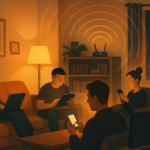 It’s not your imagination — your connection really does crawl when the whole household is online. Here’s what’s actually happening behind the scenes, and what you can do about it.